

-
The Canadian Association for Teacher Education
Strengthening the future of education in Canada through teacher education in research, collaboration, and innovation.

CATE Recognition Awards for Theses and Dissertations on Teacher Education
2027 CATE Recognition Awards for Theses and Dissertations on Teacher Education
Attention graduate student supervisors: Do you have a graduate student conducting research on a topic relevant to teacher education who will have defended their thesis or dissertation between June 1, 2026 and May 31, 2027? If so, please encourage that student to review the linked criteria and APPLY for the CATE Recognition Awards for Theses and Dissertations on Teacher Education. As supervisor, you will be required to submit a letter of recommendation to accompany the student’s application. The supervisors of successful applicants are also invited to briefly discuss the significance of the work and offer congratulations as part of the awards presentation if you are able to attend.Attention graduate students: If you plan to defend your thesis or dissertation between June 1, 2026 and May 31, 2027, and are conducting research relevant to teacher education, please consider applying for the CATE Recognition Award for Theses and Dissertations in Teacher Education. Although you may submit the application yourself, you must also provide a letter of recommendation from your thesis supervisor as part of the application process.
Submissions are due Monday, April 5, 2027.
Inquiries and submissions to be sent to CATE President: Dr. Philippa Parks.
2026 Award Recipients

Defining Teacher Envelopment. A Philosophical Inquiry into the non-Aristotelian Meta-Practices of the Ancient Wisdom Craft of Mindfulness and Extensional n-Valued Discernment
Rob Blom (https://orcid.org/0000-0003-0343-2549) holds a B.Math in mathematical physics from the University of Waterloo and an MEd and PhD in Education from Brock University in Canada. Research focus is primarily the philosophy of (teacher) education within perennial, deep ecological, complexity and non-Aristotelian (Ã) frameworks as regards educational philosophy and theory. Research topics include pedagogy, envelopment, teacher education, and à infused meta-practices of mindfulness, and discernment. Personal interests include teaching mathematics, permaculture, anthroposophy, meditation, and ontological coaching. He applies his studies as the director at wiseOak Akadēmeía, as a mathematics teacher, making scholarly submissions in the field of philosophy of (teacher) education, and connects theory with practice at Tolleration (double "L"), a new community-driven Canadian journal of Educational Metaphysics.
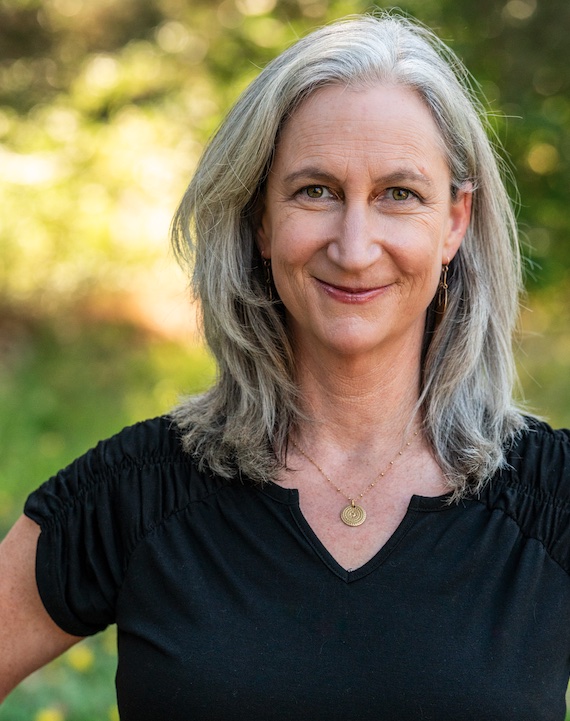
Exploration of Teachers' Experiences Integrating Social-Emotional (SEL) with Academic Learning in Secondary Schools
Corey Lott is an educator in Sonoma County, California, with over 20 years of high school classroom experience and facilitation of professional learning for new and veteran teachers. She has a deep commitment to exploring the conditions necessary for deep, meaningful learning to occur while honoring cultural diversity as a pillar of classroom curriculum and practices. She earned her Ed.D. in Learning Sciences from the University of Calgary, where her research explored how secondary teachers experience social-emotional learning and how a practical classroom intervention can help bridge the persistent gap between SEL and academic instruction. Corey holds California Clear Teaching Credentials in English, Social Studies, and Physical Education, a Master of Education from Lehigh University, and a Fulbright Scholarship that took her to Brazil early in her career to study dance and social studies instruction. Her research interests include strategies for integrating SEL into academic instruction and the use of the Universal Design for Learning framework to design contextually relevant, accessible, and engaging learning experiences for students and adults.
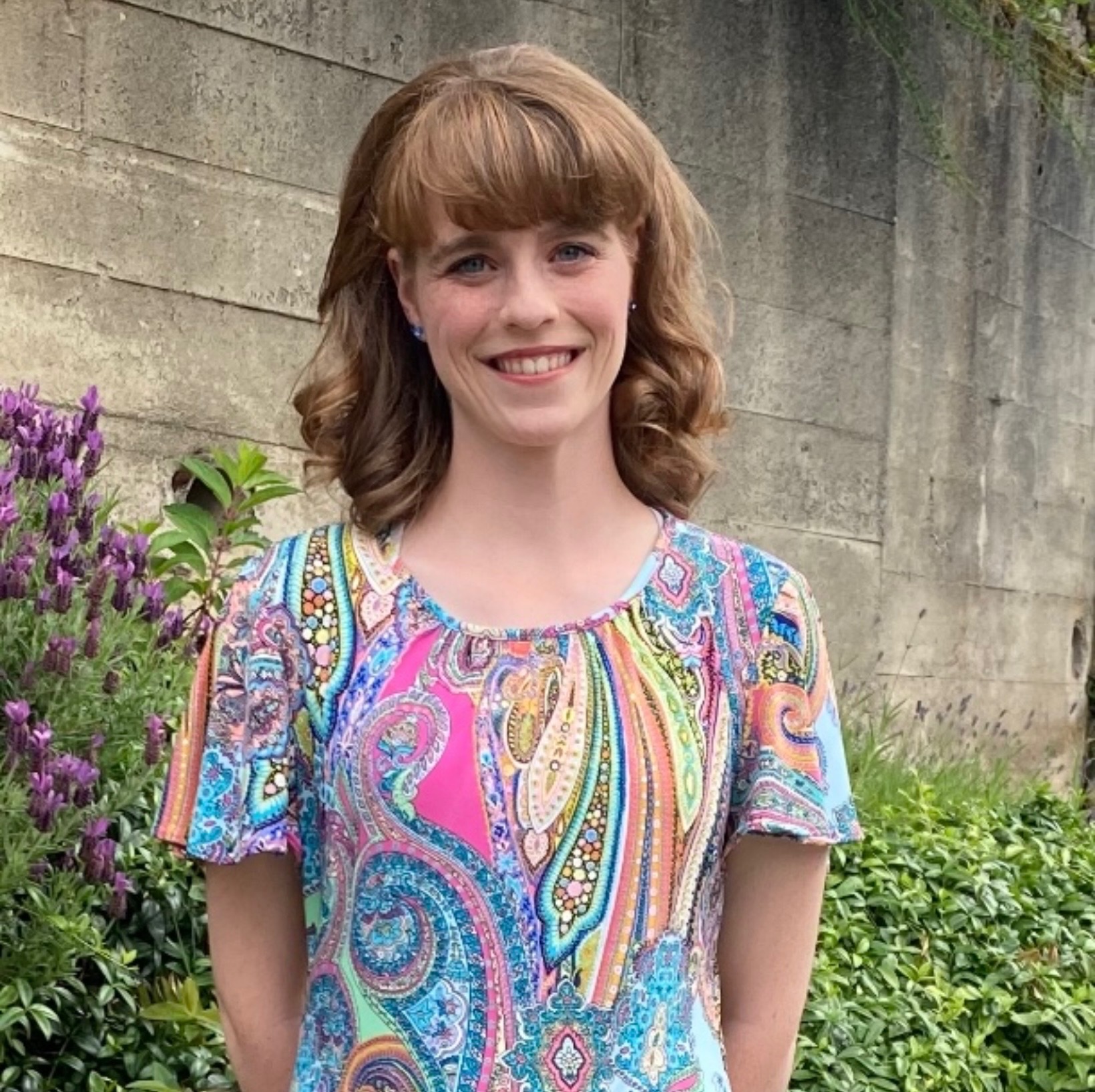
Exploring the Wellness of Teachers in their First Five Years using Poetic Representation and Hermeneutical Phenomenology
Linnea Leist completed her Master of Arts degree, at the University of Victoria, in July 2025, under the supervision of Dr. Lara Lauzon. While completing her graduate studies, Linnea was employed as a grade 3/4 teacher and later as a Teacher Teaching on Call (TTOC). While her long-term goal of becoming a teacher was realized, she also experienced stress and burnout as a first-year teacher. A graduate directed study course on teacher wellness, guided by Dr. Lauzon, and the introduction to the use of poetic representation and hermeneutical phenomenology, taught by Dr. Tim Hopper, inspired Linnea to blend her love of poetry and research methods where she explored the wellness of teachers in their first five years of their profession. Her passion for life-long learning has led Linnea to Ph.D. studies to further examine wellness in other educational contexts. She looks forward to sharing her learning and collaborating with others.

Unpacking Stereotype Threat: Can They See What I See? Marginalized Pre-Service Educators in Ontario's Teacher Education
Rachel Su recently graduated with a Master of Education under the supervision of Lee Airton. Her research explores the experiences of racialized teacher candidates in predominantly White teacher education programs, with a particular focus on stereotype threat, identity negotiation, social belonging, and performative equity practices within higher education institutions. Drawing on qualitative and phenomenological approaches, her work examines how racialized pre-service teachers navigate invisibility, cultural dissonance, and institutional power structures while constructing their professional identities.
Rachel’s scholarship is grounded in a commitment to equity, culturally responsive pedagogy, and community-centred educational change. Her work bridges critical race theory, teacher identity theory, and minority stress scholarship to advocate for more relational, inclusive, and transformative teacher education practices.
Rachel is now a full-time Ontario College of Teachers certified educator teaching junior and intermediate students, where she continues to centre critical thinking, anti-oppressive education, and equity-informed pedagogy in her classroom practice.

Learning to Teach, Learning to Endure: Teacher Candidates’ Experiences of Sexual Harassment in the Ontario Teaching Practicum

A NARRATIVE INQUIRY INTO THE LIVED EXPERIENCES OF RACIALIZED TEACHER CANDIDATES IN AN ONTARIO TEACHER EDUCATION PROGRAM
Dr. Wenefé Capili-Balbalin is a part-time professor in the Faculty of Education at the University of Ottawa and an active member of the Ontario College of Teachers, where she also works as an Occasional Teacher. Drawing from her experiences as an Ontario classroom teacher, Wenefé’s work is grounded in asset-based teaching pedagogies and a commitment to equity and inclusion in education.
Her doctoral research centres on Community Cultural Wealth, a theoretical framework that highlights the diverse cultural strengths and assets students bring into the classroom. Using narrative inquiry as her research methodology, her work explores how racialized teacher candidates navigate, resist, and reshape dominant structures within teacher education in Ontario.
Wenefé aims to support teacher candidates in developing critical reflexivity in their teaching practices and fostering an awareness of the role educators play in both challenging and perpetuating systemic inequities in classrooms and society.
Journalistic Learning in Teacher Education: A Relational and Civic Approach to Writing Pedagogy
Celeste Kirsh is a teacher-researcher whose SSHRC-funded doctoral project was completed at the Ontario Institute for Studies in Education at the University of Toronto. Her dissertation investigated how teacher candidates learned to teach writing through journalistic learning: a relational, civic-oriented approach that invited close listening, ethical representation, and a more expansive understanding of writing beyond school-based tasks. Through a qualitative practitioner inquiry in an English methods course, her study found that process-based and interview-driven writing pedagogies helped future teachers reimagine writing as a humanizing practice that can foster joy, connection, and civic engagement. With over a decade of middle school and graduate teaching experience, Celeste bridges research and practice through academic publications, her podcast Teaching Tomorrow, and professional learning for educators.
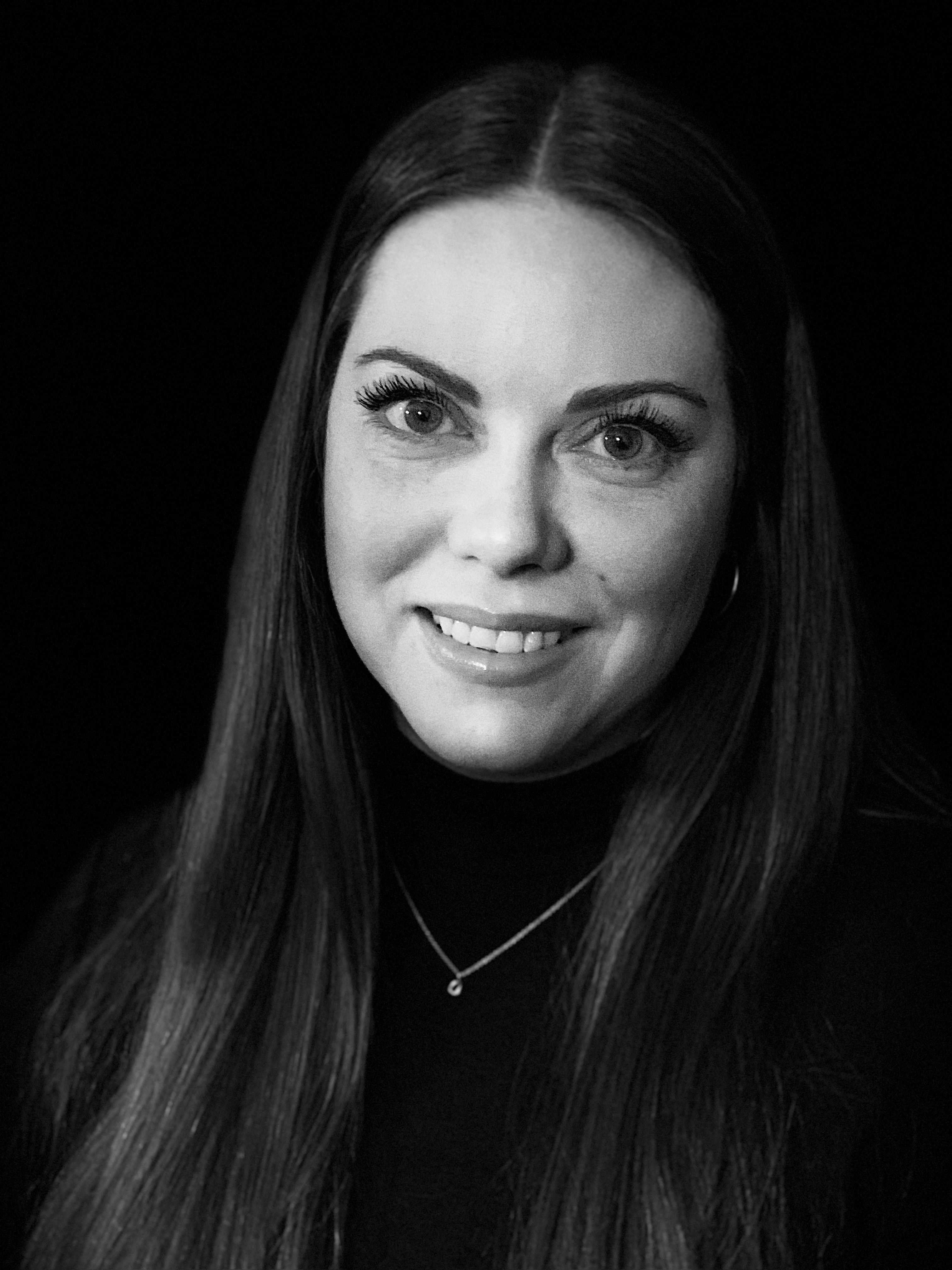
On Becoming Teacher: Re/conceptualizing the Encounters, Entanglements, and Expectations of Early Career Teachers
Dr. Christie Petersen recently completed her PhD in Education at the University of Manitoba (supervisor, Dr. Melanie Janzen). She is currently an educator in the K–12 Winnipeg public school system, as well as a sessional instructor at the University of Manitoba (undergraduate and graduate level courses). Dr. Petersen’s doctoral research focused on teacher becoming through inquiry of the constructions of gendered expectations for early career teachers, Canadian induction practices, and the creation of a short story intended as an object of study for pre-service and in-service teachers. Her research interests focus on early career teachers, and the transition into the profession, through engagement with feminist poststructuralism, feminist theory, and affect theory to re/consider the complexities of learning to teach. Dr. Petersen has served as a book reviewer for Educational Review, recently co-authored a publication in the Journal of Education Policy, and co-authored two recently published book chapters.

The Professional Development of English Language Teachers in Bangladeshi Universities Under Neoliberal Reform: Perspectives of Teachers and Students
Md Shayeekh-Us Saleheen is a TESL Ontario–certified (OCELT®) educator, curriculum designer, and researcher with over 17 years’ experience in English language teaching, teacher education, and applied linguistics in Canada and Bangladesh. He recently earned his PhD in Curriculum, Teaching, and Learning from the University of Manitoba, where his award-winning dissertation examined the professional development of English language teachers in Bangladeshi universities within the framework of neoliberal reform. His research critically investigates teacher professional development, inclusive and equity-focused pedagogy, language teacher education, curriculum studies, and ESL/EAP instruction in higher education. Shayeekh has taught at various institutions, including Red River College Polytechnic, the University of Winnipeg, Conestoga College, and the University of Liberal Arts Bangladesh. He has co-authored the textbook "English for Academic Purposes-1" and published research on teacher education, PBLA, mentoring, and language pedagogy. His work seamlessly integrates critical scholarship, teacher learning, and socially responsive educational practices.
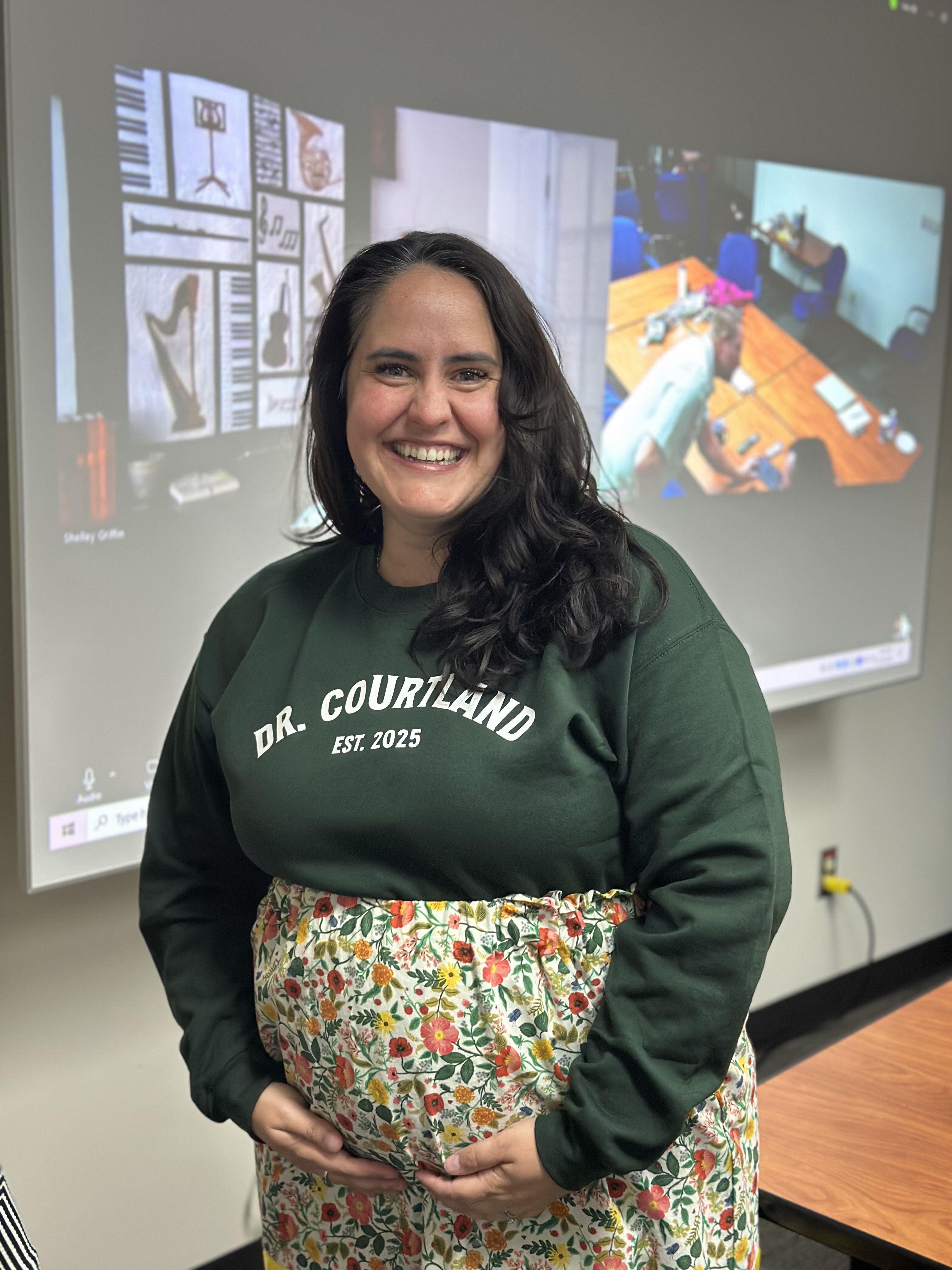
Education for Reconciliation. Non-Indigenous Teachers' Stories of Journeying, (Un)Learning, and Negotiating Spaces of Discomfort and Possibility
Dr. Darcy Courtland is a relational storyteller whose work lives at the intersections of reconciliation, neurodivergence, motherhood, and literacy as life lived. Inspired in part by witnessing her children move through the world with wonder and openness, Darcy is interested in how people come to know themselves and relate through storied experiences.
Her doctoral research at the University of Alberta explored experienced non-Indigenous teachers’ journeys of learning and unlearning in response to personal and professional commitments to reconciliation. From this work, Darcy introduced a Pedagogy of Journeying shaped through wondering, wandering, venturing, grounding, and living. Her scholarship lingers alongside stories of vulnerability, curiosity, and discomfort while asking what becomes possible when reconciliation is understood as an ongoing relational responsibility.
Professionally, Darcy supports and advocates for diverse learners and their families within K–6 schools and is the founder of Our Carried Stories, a relational babywearing education company rooted in connection and honouring young children as profound teachers.
